












.png)


.png)

















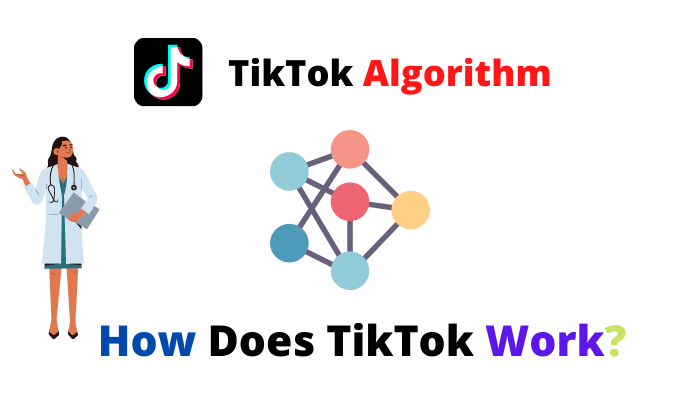
Answer first: The TikTok algorithm is a recommendation system that ranks every video separately for every viewer. It looks mainly at how people interact with a video (watch time, finishing the video, rewatching, sharing, commenting, following), then at what the video is about (caption, sound, hashtags, on-screen text), and lastly at device and account settings such as language and country. Follower count is not a direct ranking factor, which is why a new account can reach a large audience.
Updated 10 November 2026.
TikTok ranking signals at a glance
| Signal | What TikTok reads | Weight |
|---|---|---|
| Watch time and completion | How much of the video people watch and whether they finish or replay it | Strongest |
| Shares, comments, saves, follows | Active responses after watching | Strong |
| Likes | A light positive signal | Medium |
| Skips and "Not interested" | Negative feedback that reduces similar videos | Strong, negative |
| Video information | Caption, keywords, sound, hashtags, text on screen | Medium |
| Device and account settings | Language, country, device type | Weak |
| Follower count and past hits | Not used directly to rank a new video | None |
TikTok describes these three groups (user interactions, video information, device and account settings) in its own explanation of the For You feed. The weights above reflect what TikTok has said: a strong signal such as watching a long video to the end counts for more than a weak one such as sharing a country with the creator.
How does the TikTok algorithm work, step by step
- A new video is shown to a small test group. These are viewers whose history suggests they may like it.
- TikTok measures the response. Completion rate, replays, shares and comments matter most.
- Good results widen the audience. The video is shown to a larger, similar group, and the test repeats.
- Weak results slow it down. Fast skips and "Not interested" taps stop the spread.
This is why a video can take off days after posting, and why two videos from the same account can perform very differently.
How a new user's feed is built
A new account starts with a general mix of popular videos, sometimes after choosing a few interests. Within a short time, likes, follows, searches and above all watch time shape the feed. No two people see the same For You feed.
What the TikTok algorithm does not do
- It does not rank by follower count. Followers help only because they are likely to see and watch a new video early.
- It does not punish an account for one weak video. Each video is judged on its own.
- It does not show duplicate or reposted content widely. Videos with other apps' watermarks and content that breaks the guidelines are held back from the For You feed.
How to work with the algorithm
- Win the first two seconds. State the point or show the result before anything else.
- Make the video as long as it needs to be, not longer. Completion rate beats length.
- Write captions with the words people search. TikTok search reads captions, speech and on-screen text.
- Use a sound and two or three relevant hashtags so TikTok can place the video in a topic.
- Give people a reason to share or comment, such as a question or a useful list.
- Post regularly so each video gets its own test.
Frequently asked questions
Does the number of followers affect the TikTok algorithm?
Not directly. TikTok has said follower count and earlier high-performing videos are not direct factors in the recommendation system.
What is the most important signal?
Watch time. A video that most viewers finish or replay is shown to more people.
How long can a TikTok video be?
You can record up to 10 minutes in the app and upload videos of up to 60 minutes.
Can I reset my For You feed?
Yes. TikTok's settings include an option to refresh the For You feed, and long-pressing a video lets you mark it "Not interested".
Related reading: TikTok engagement rate benchmarks for 2026. To check how a video holds attention before you post, try the free AI video analyzer.
Popular TikTok services from SocialFansGeeK
James GeeK
Veteran Social Media Growth Hacker & Digital Marketer.


